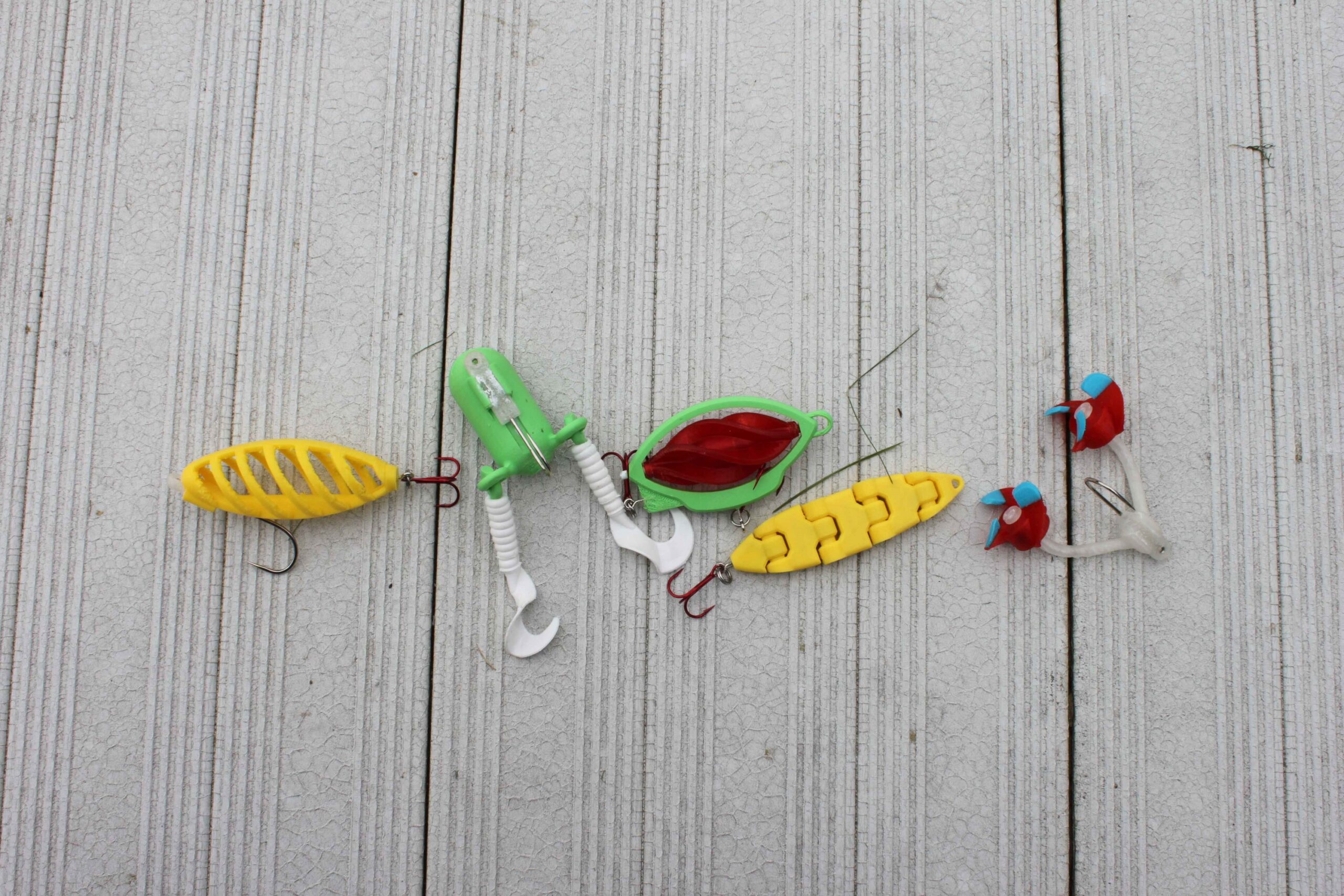
Testing 3D Printed Fishing Lures
A Designer’s Dive into DIY Tackle
I often find myself looking at everyday objects and thinking, “How would I make this if it were up to me?” That curiosity, combined with a love for both design and fishing, led me to a fun experiment just ahead of a family trip.
I’ve been fishing since I was a kid. Early mornings with my dad and afternoons at local ponds gave me a lifelong appreciation for the sport. With the Fourth of July approaching and our annual lake house gathering on the calendar, I had the idea to design and 3D print some custom fishing lures.
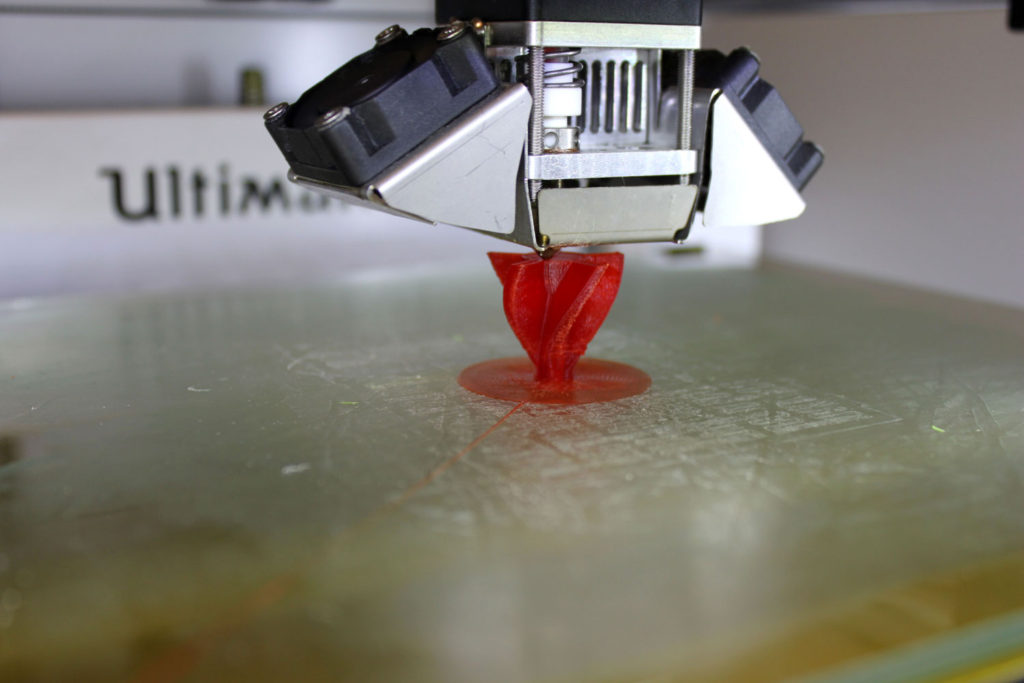
One of the best parts of 3D printing is how quickly ideas can go from sketch to physical object. While my printer has produced its fair share of oddball prototypes, the process is always rewarding. In just a few days, I was able to sketch out concepts, model several lure designs, and print them—just in time for vacation.
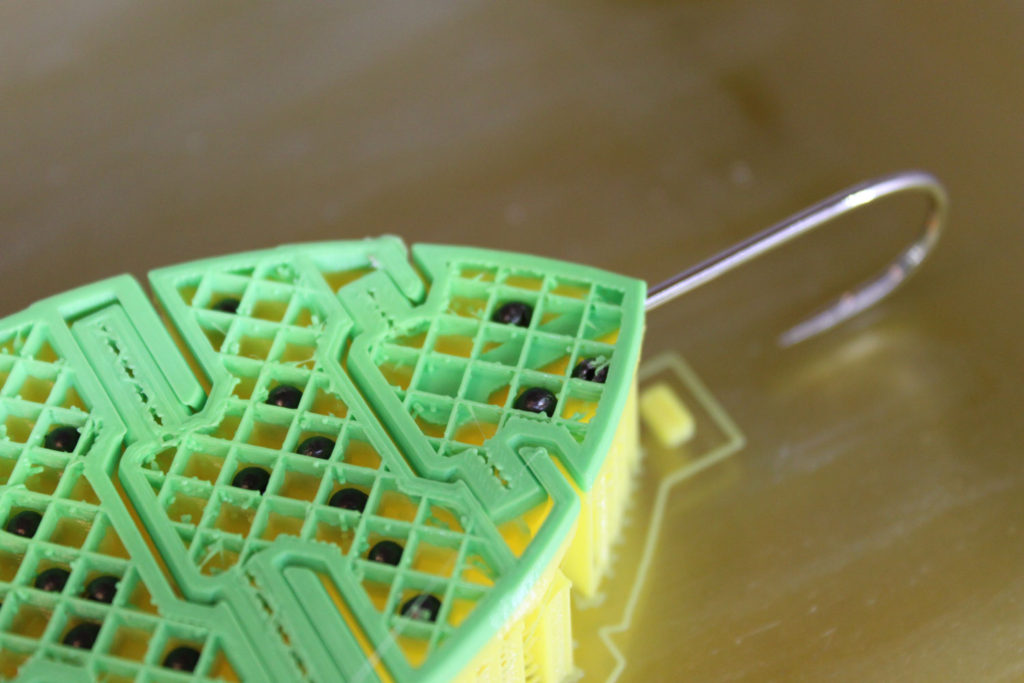
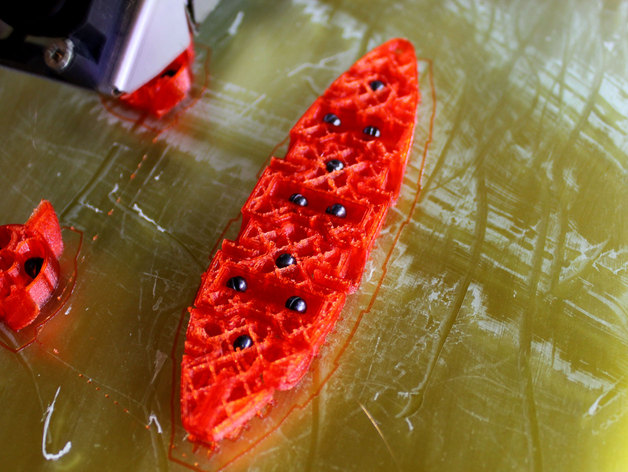
I had a few design ideas in mind, particularly those involving movement. A common technique in 3D printing is pausing a print to embed components like threaded nuts. I adapted this idea to add small rattles into hollow chambers inside the lures. I also tried out “print-in-place” models, where multiple moving parts are printed together in a single job with no assembly required. One of my segmented lures printed this way and moved nicely with just a bit of loosening after printing.
Encapsulating Hooks
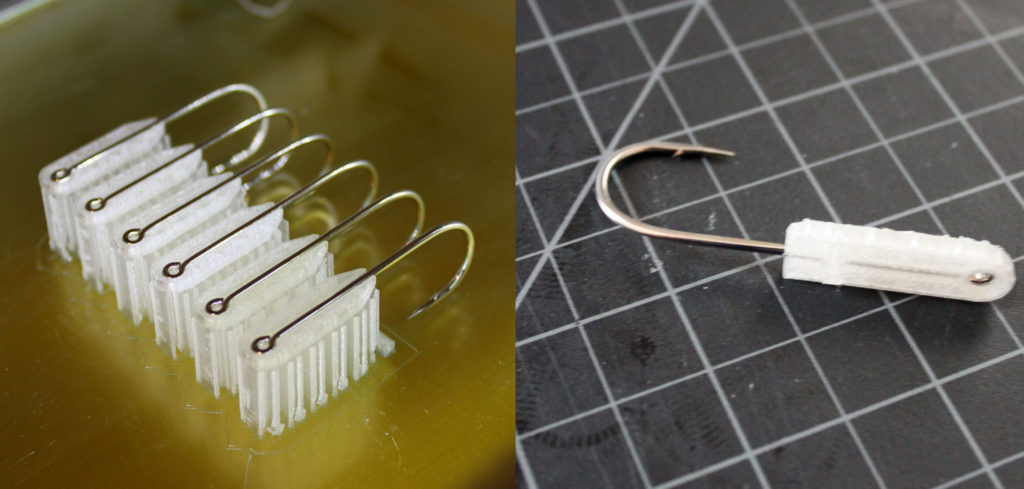
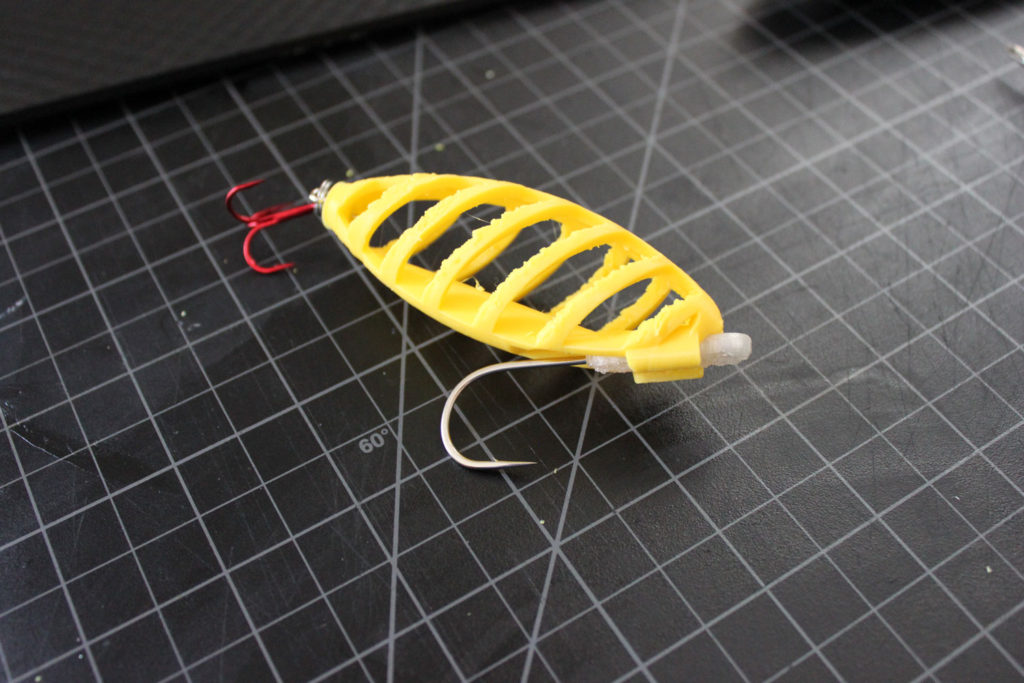
Some designs used standard J-shaped hooks. I measured and modeled a small enclosure that printed slightly above the build plate. This let me pause the print, drop in the hook, and resume printing so the plastic would form around it. The result was a clean, embedded hook within a rectangular body. I reused this hook profile in other lures by designing matching slots and securing them with a bit of super glue. It held up surprisingly well during testing.
Segmented Swimbait
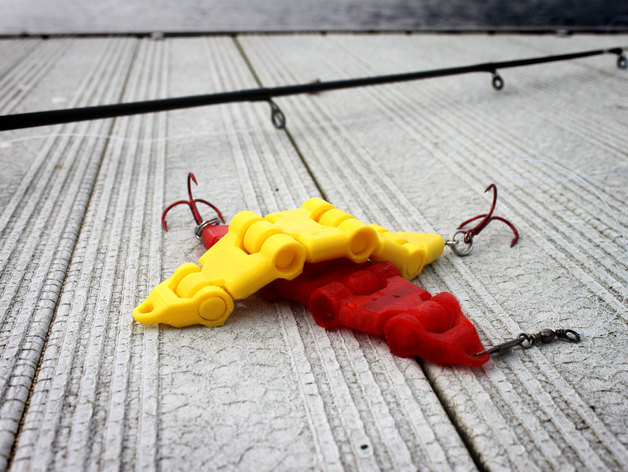
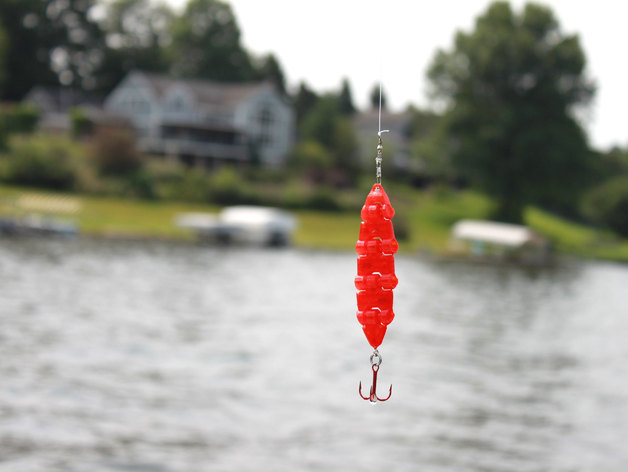
This lure ended up being my favorite and the only one that actually caught a fish. The flexible, hinged segments created a realistic swimming motion in the water, thanks to the natural drag during retrieval. You can see the action in the video below:
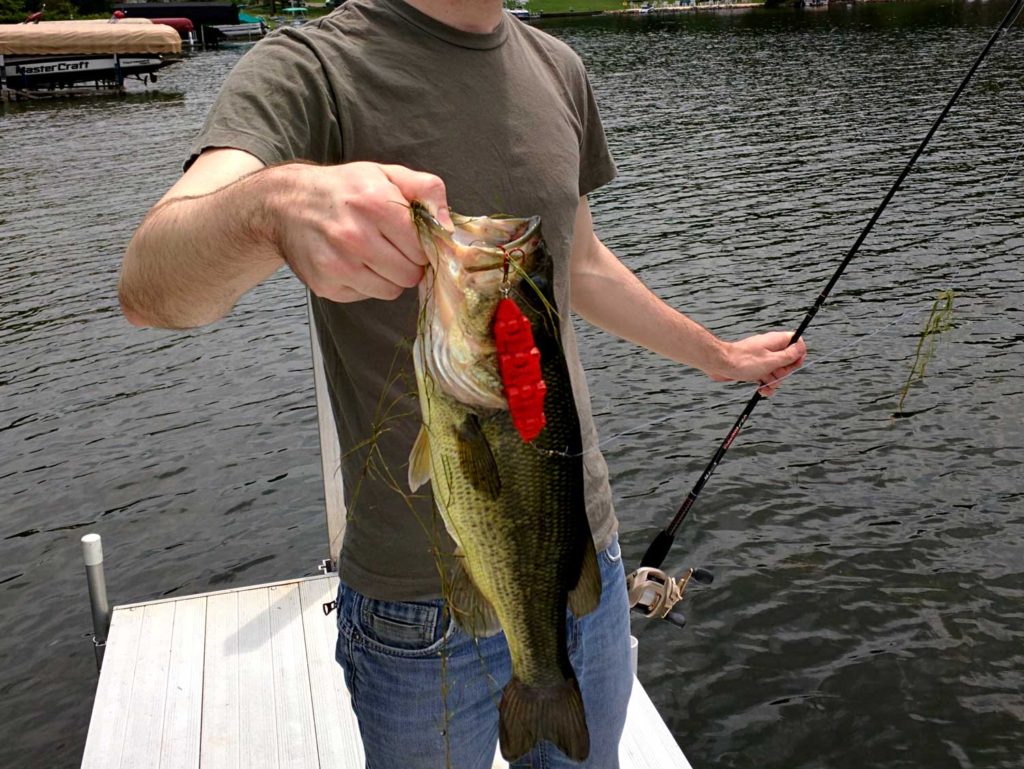
It performed so well that I decided to share the model on Thingiverse. You can download it here.
Hollow Minnow
This lure was a different take on a traditional minnow shape. While it looked good, it didn’t do much in the water. It was light and hard to cast, and didn’t generate much movement. However, it did use the drop-in hook system successfully and stayed together with just a dab of glue.
Double Blade Bait
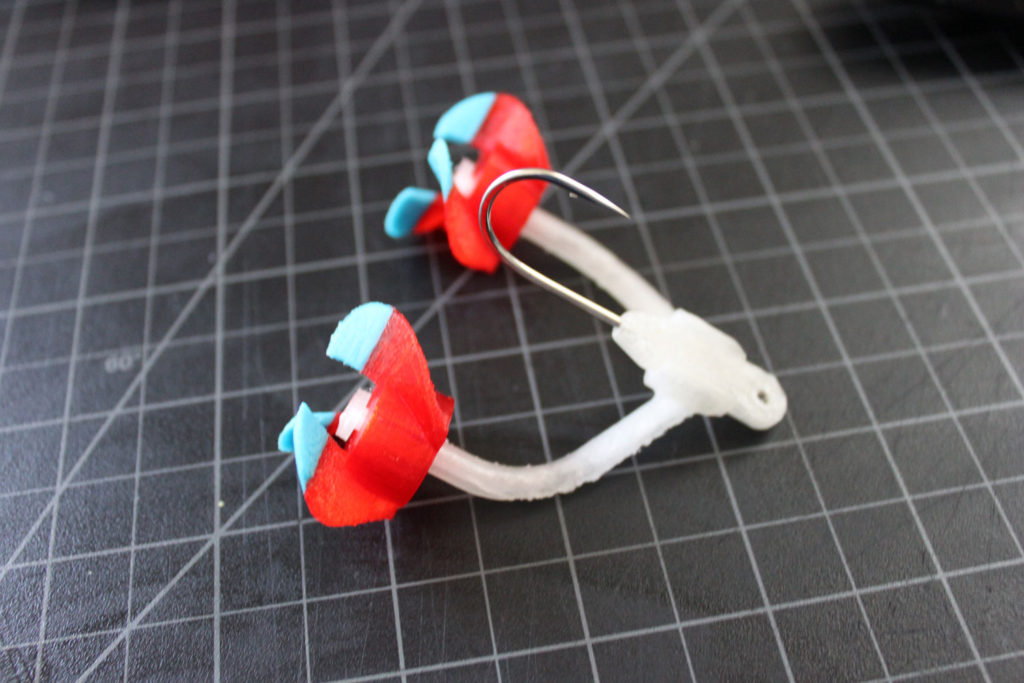
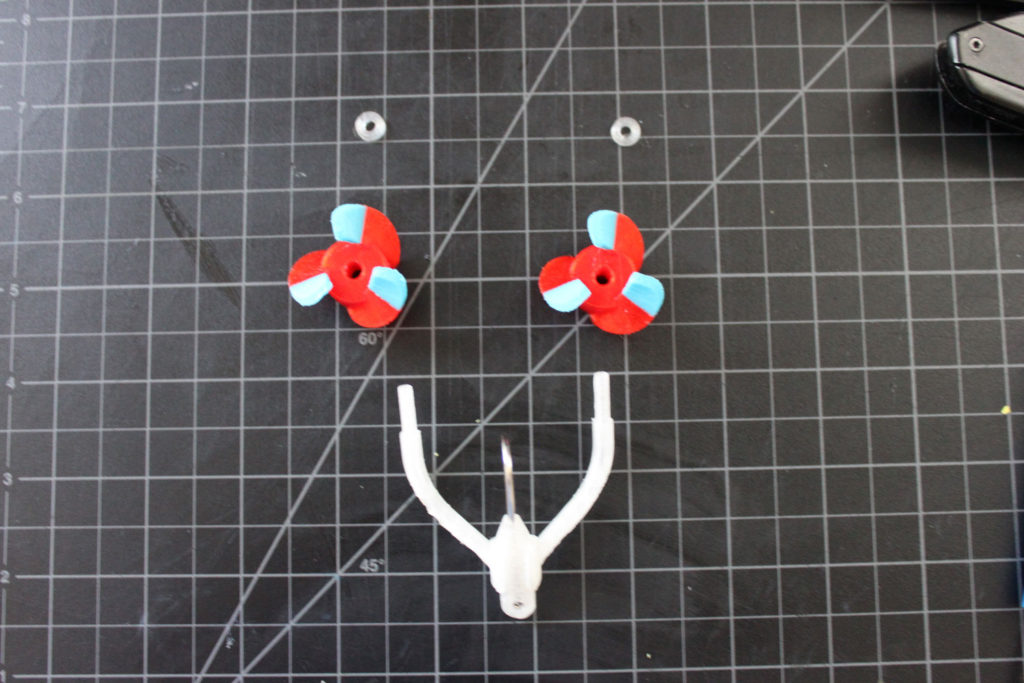
The twin spinning blades on this lure rotated smoothly and looked great in motion. Unfortunately, I didn’t get a single bite, even during prime fishing hours. That said, the color-tipped blades added some nice visual appeal, and the friction-fit printed washers held everything in place perfectly. This design felt like the most fragile of the bunch, and I doubt it would have survived a strong strike.
Sad Frog
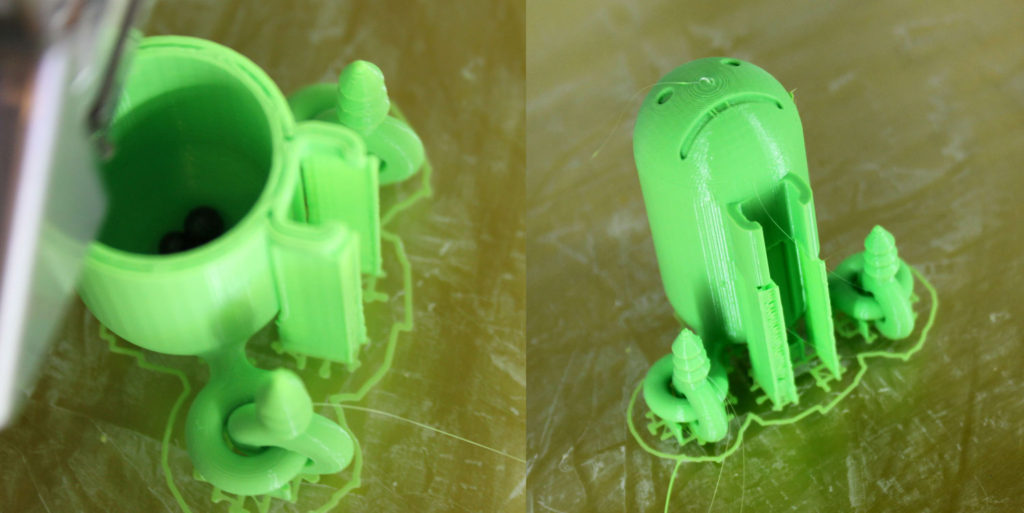
This floating topwater bait was modeled after a frog, with internal BBs to produce a rattling sound. It behaved similarly to a traditional topwater frog, though I suspect it might have been more effective with a treble hook.
Spinnow
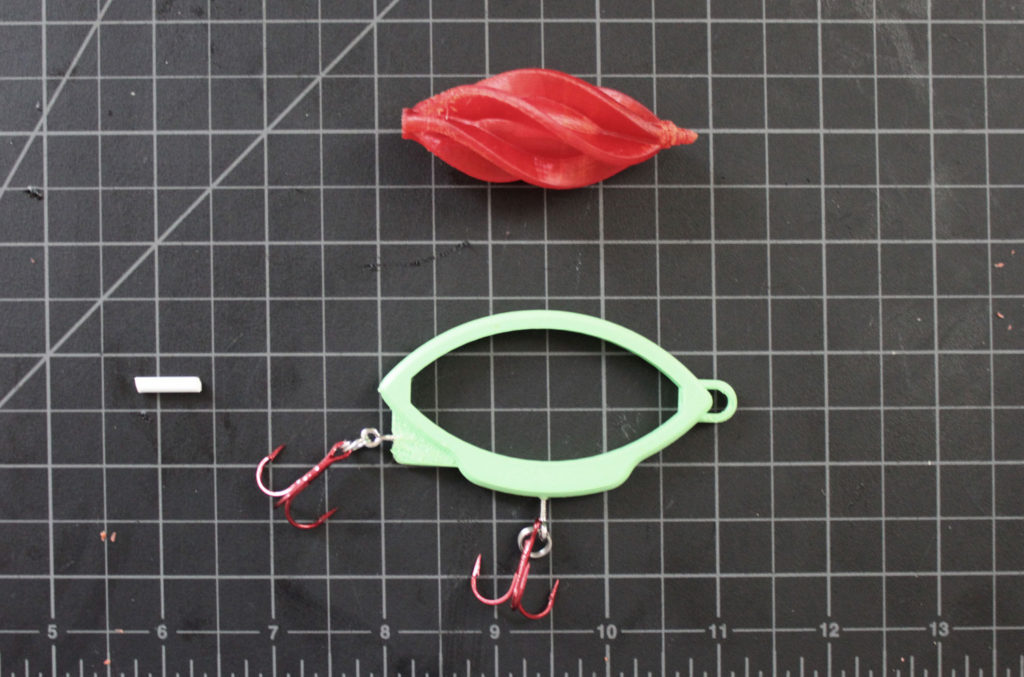
The most unconventional idea I tried was the “Spinnow,” a lure with a spiral piece that freely rotated when pulled through the water. It also had a chamber filled with BBs for sound. The bait did spin as intended, but it didn’t sink quickly enough to be very usable. Still, it was fun to test something totally off the wall.
Testing out these custom lures was a great time, and I’m happy that at least one design managed to land a fish. If you’re interested in trying them yourself, the models are available for download on Thingiverse.
This project reminded me why I enjoy designing things from scratch. It’s a mix of curiosity, hands-on experimentation, and the occasional surprise success.


Leave a Reply to 3d_dad Cancel reply